What to Expect During Your Dog's First Walk With a Professional Walker
Your dog's first walk with a professional walker is about building trust before building distance. While every dog is different, experienced walkers focus on helping your dog feel comfortable, learning their routine, and ensuring every step of the experience is safe and positive. Knowing what to expect helps you feel confident before handing over the leash.
Key Takeaways:
The first walk focuses on trust, safety, and observation.
Your walker learns your dog's routine, personality, and walking habits.
A gradual introduction creates a positive experience for future visits.
Why is the first walk different from regular walks?
The first visit is designed to build a relationship.
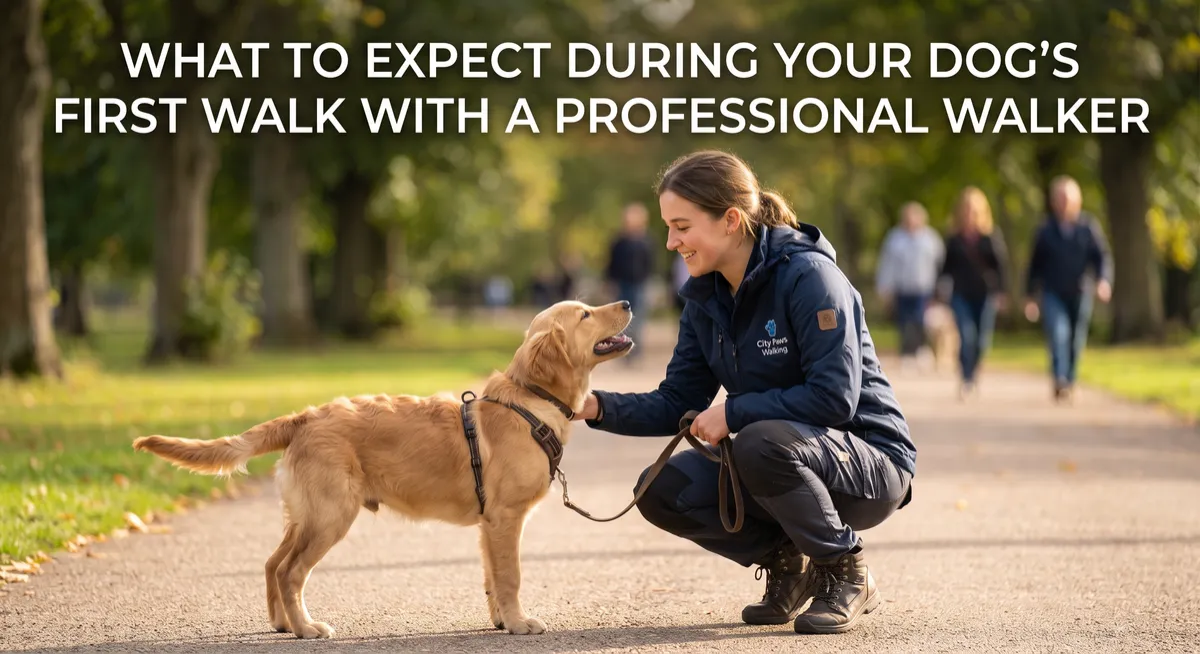
Even the friendliest dogs may need time to become comfortable with someone new. Rather than rushing out the door, a professional walker will usually spend a few minutes greeting your dog, observing their body language, and allowing them to approach naturally.
This first interaction provides valuable information about your dog's confidence, energy level, and communication style. It also helps reduce anxiety before the walk begins.
The National Association of Professional Pet Sitters recommends arranging an in-home meeting before services begin so pet owners can discuss routines, answer questions, and ensure the caregiver interacts comfortably with the pet. (Pet Sitters)
What information should you share before the first walk?
Clear communication helps your walker provide the best possible care.
Before the first appointment, prepare information about your dog's daily routine, health, and personality.
Helpful details include:
Feeding schedule
Walking routine
Energy level
Favorite treats
Medical conditions
Medications
Allergies
Leash behavior
Commands your dog knows
Triggers or fears
Emergency veterinarian contact
Don't hesitate to mention if your dog becomes nervous around bicycles, children, skateboards, or unfamiliar dogs. Small details often make a big difference during the first few walks.
What happens during the first walk?
Every professional has their own process, but most first walks follow a similar pattern.
The walker will confirm that your dog's collar or harness fits properly before leaving. Once outside, they usually allow your dog to set a comfortable pace rather than encouraging a fast or lengthy walk.
Many dogs spend the first outing sniffing more than usual. This is completely normal. Exploring new scents helps dogs gather information about their environment and can make them feel more confident.
The American Kennel Club explains that walks provide both physical exercise and mental stimulation, and that allowing dogs to sniff and explore supports confidence while helping prevent behavioral issues. (American Kennel Club)
A successful first walk isn't measured by miles. It's measured by how comfortable your dog feels at the end of it.
How can you help your dog have a successful first experience?
Preparation begins before your walker arrives.
Keep your dog's routine as normal as possible that day. Have the leash, harness, waste bags, treats, and any medications ready in one place.
Remain calm during the introduction. Dogs often look to their owners for reassurance. A relaxed goodbye helps your dog understand there is nothing to worry about.
If your dog is naturally shy or cautious, let them approach the walker at their own pace instead of forcing interaction.
The American Kennel Club recommends allowing dogs to explore new environments gradually, using positive experiences and avoiding unnecessary pressure during early walks. (American Kennel Club)
Trust isn't built in a single walk. It's built through patience, consistency, and positive experiences.
FREQUENTLY ASKED QUESTIONS
Q: Should I be home for my dog's first walk?
A: Yes, whenever possible. Being present allows you to introduce your dog to the walker, explain your routine, demonstrate how equipment fits, and answer any questions. It also helps your dog associate the new walker with a calm and familiar environment.
Q: How long does the first walk usually last?
A: The first walk may be slightly shorter than future visits because time is spent getting acquainted. The focus is on helping your dog feel comfortable rather than covering a specific distance. Once trust has been established, future walks often follow the full scheduled duration.
Q: What if my dog is nervous around strangers?
A: Professional dog walkers regularly work with shy and cautious dogs. They typically allow the dog to approach voluntarily, avoid forcing interaction, and use calm body language to build confidence. Patience during the first few visits often leads to a much stronger long-term relationship.
Q: Will my dog get the same walker every time?
A: Many professional dog walking companies try to provide consistency whenever possible. Seeing the same walker helps dogs develop trust, recognize familiar routines, and feel more comfortable during each visit.
Give Your Dog a Positive First Walking Experience
Choosing a professional dog walker is about more than scheduling a daily walk. It's about finding someone who understands your dog's personality, respects their routine, and prioritizes their safety.
At Dog Walker Pacific Beach, we take time to build trust before every new client becomes part of our regular schedule. We believe every great walking relationship starts with patience, communication, and a positive first experience.
Whether your dog is energetic, shy, young, or senior, our experienced team is committed to providing safe, reliable, and personalized care from day one. Contact Dog Walker Pacific Beach today to schedule your dog's first walk and discover the difference professional care can make.
